When Nike introduced NikeTown, it did not build retail.
It built memory.
At the time, it looked like a flagship strategy. Large spaces. Premium locations. Immersive environments.
But NikeTown was not designed to optimize transactions.
It was designed to encode meaning.
What Most Brands Think Retail Is
Most brands treat retail as a point of sale.
A place to display a product.
A place to convert demand.
A place to move inventory.
This is a functional view.
And function alone does not build preference.
What NikeTown Actually Did
NikeTown created a controlled environment where the brand could shape perception without interference.
Every element was intentional:
Scale created significance
Lighting created focus
Athlete imagery created aspiration
Spatial flow created a narrative
It was not a store layout.
It was a cognitive sequence.
You did not just see Nike. You experienced what Nike meant.
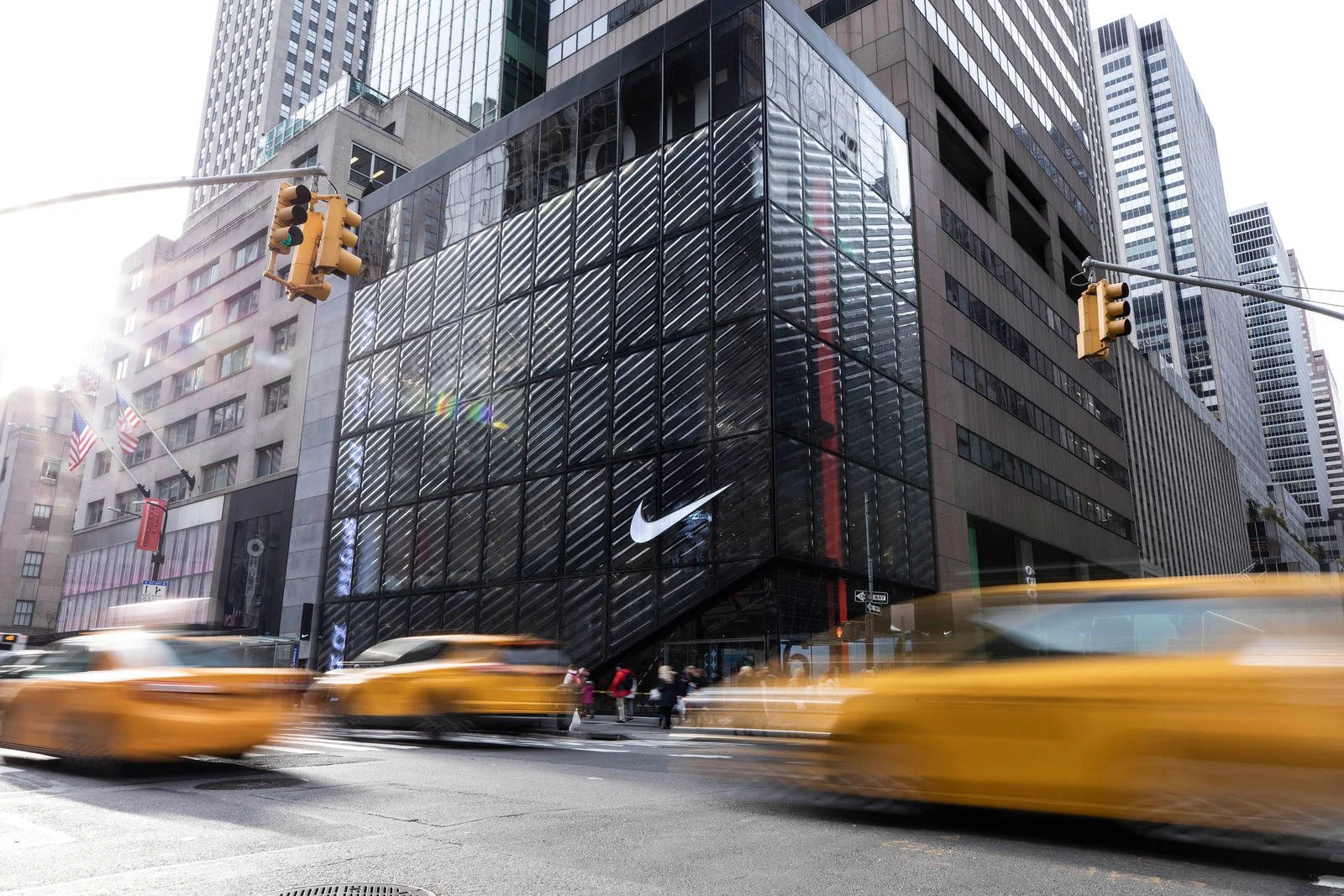
Nike NYC, House of Innovation 000, located at 650 Fifth Avenue, covers 68,000 square feet in the heart of New York City.
Retail as Encoding
The brain does not store products. It stores associations.
NikeTown acted as an encoder by repeatedly linking Nike to:
Performance
Elite athletes
Personal potential
Cultural relevance
This is not messaging. This is imprinting.
When done well, encoding reduces future cognitive load. The next time someone encounters the brand, the brain does not need to re-evaluate.
It recognizes. And recognition feels like certainty.
Why This Matters
Most brands try to persuade at the moment of decision.
Nike reduced the need for persuasion before the decision ever happened.
By the time a customer saw a Nike product elsewhere:
Meaning was already established
Trust was already formed
Aspiration was already attached
The store did not close the sale. It pre-conditioned it.
NikeTown as a Bridge
Nike did not ask consumers to believe in the brand. It built an environment where belief felt natural.
This is the difference between disruption and containment.
Nike did not disrupt how people thought about sport.
It anchored itself inside existing mental models and elevated them.
Familiar enough to accept. Aspirational enough to move.
That is a bridge.
The Takeaway
NikeTown was never about retail efficiency. It was about perceptual efficiency.
It reduced the cost of future decisions by doing the cognitive work upfront.
Most brands try to win at the moment of choice. Nike shaped the choice before it existed.
That is what encoding does.
And that is why branded environments, when done right, do not sell products.
They build certainty.